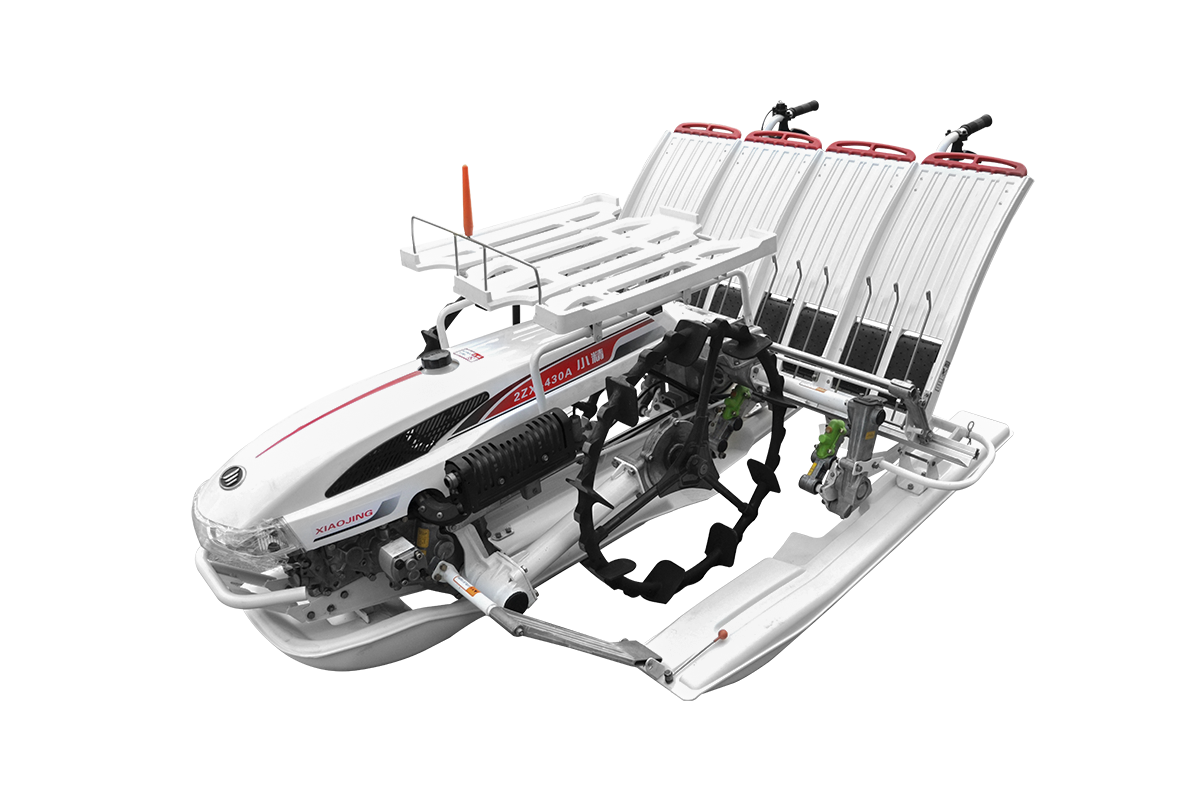
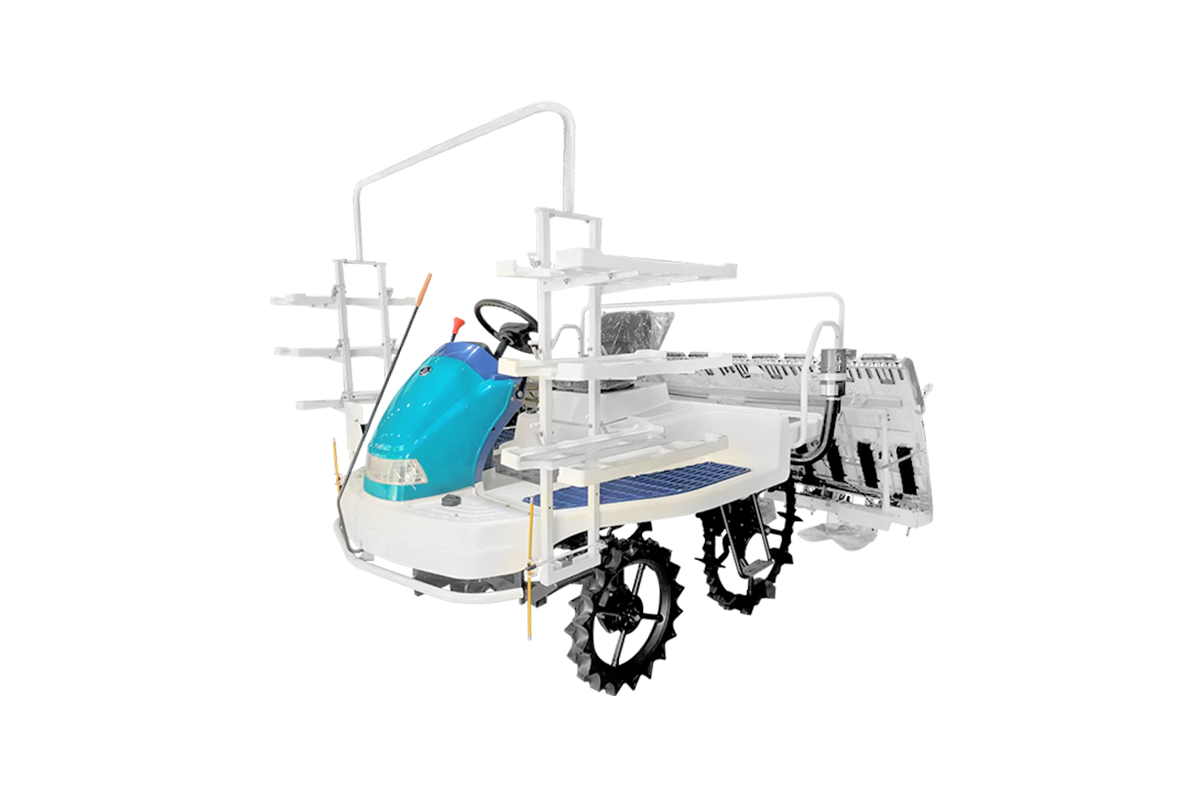
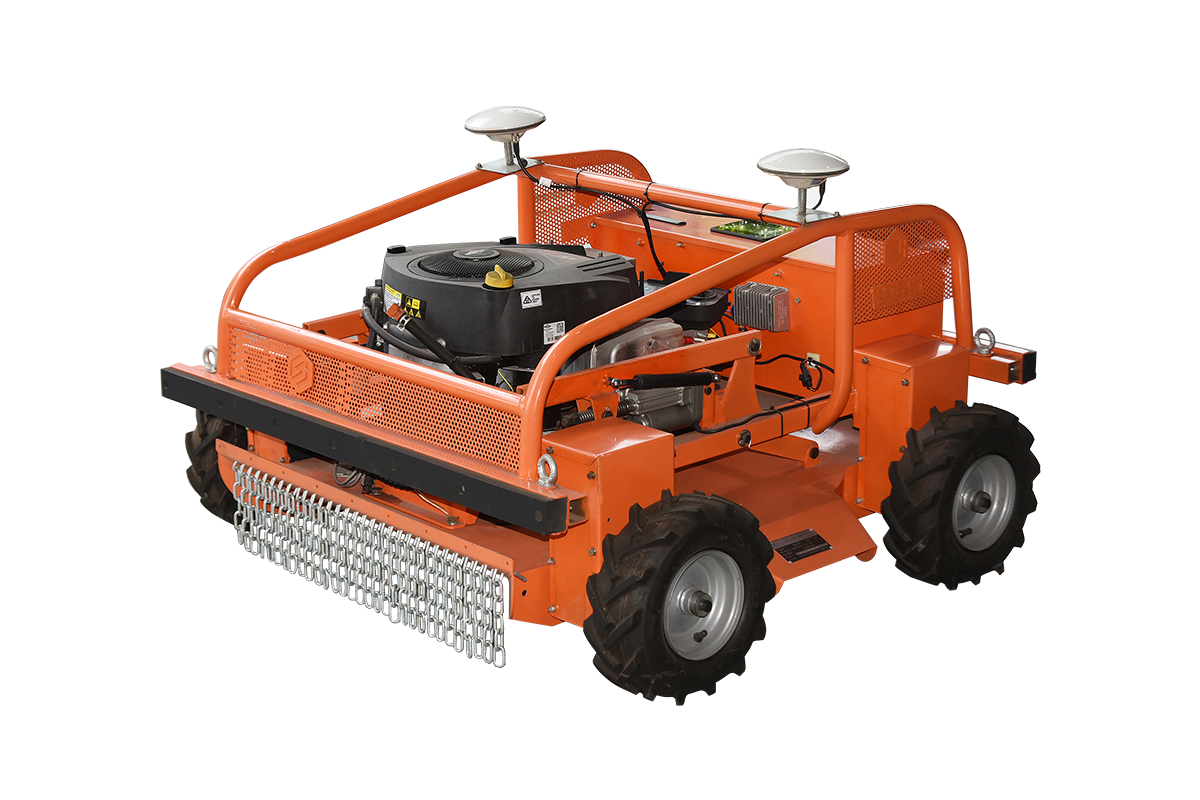
Mesin pemindahan sayuran memainkan peranan penting dalam pengeluaran pertanian. Kecekapan dan prestasi mereka secara langsung memberi kesan kepada hasil dan kualiti tanaman. Untuk memanjangkan jangka hayat pemindahan sayuran dan memastikan operasi yang cekap, penyelenggaraan yang kerap adalah penting. Berikut adalah langkah-langkah penyelenggaraan utama untuk pemindahan sayuran.
Pembersihan Peralatan Secara Berkala
Semasa operasi, tanah, sisa tumbuhan dan serpihan lain boleh terkumpul di pelbagai bahagian mesin, terutamanya mekanisme pemindahan, sistem penghantar dan komponen pemacu. Oleh itu, pembersihan adalah tugas penyelenggaraan yang paling asas tetapi penting. Gunakan pistol udara atau berus tekanan tinggi untuk membersihkan mesin dengan kerap, memastikan tiada serpihan menghalang operasi biasa.
Petua pembersihan untuk pemindahan sayuran:
1. Bersihkan kepala pemindahan dan tali pinggang penghantar untuk mengelakkan tersumbat daripada serpihan.
2. Beri perhatian kepada pembersihan sistem elektrik untuk mengelakkan habuk memasuki papan litar.
Pembersihan tetap membantu mengelakkan kerosakan yang disebabkan oleh serpihan dan meningkatkan jangka hayat mesin.
Pemeriksaan dan Penyelenggaraan Sistem Pelinciran
Bahagian yang bergerak pada pemindahan sayuran memerlukan pelinciran yang baik untuk mengekalkan operasi yang lancar dan mengelakkan terlalu panas atau haus yang berlebihan. Penyelenggaraan pelinciran termasuk memeriksa paras minyak dan kualiti minyak secara berkala, serta pelincir sendi dan bahagian yang bergerak. Bergantung pada penggunaan, minyak pelincir perlu diganti secara berkala.
Langkah-langkah penyelenggaraan pelinciran utama:
1. Periksa titik pelinciran untuk memastikan tidak mengeringkan gris.
2. Gantikan minyak lama dengan pelincir yang sesuai dan elakkan menggunakan gris yang telah tamat tempoh.
3. Fokus pada pelinciran sistem pemacu dan aci penghantaran.
Pemeriksaan Sistem Elektrik
Pemindah sayur sering menampilkan sistem pemacu elektrik dan kawalan automasi, dan fungsi sistem elektrik yang betul adalah penting untuk prestasi keseluruhan. Periksa sambungan elektrik, suis dan geganti secara kerap untuk memastikan tiada kerosakan, dan untuk menghapuskan risiko litar pintas.
Pemeriksaan penyelenggaraan sistem elektrik:
1. Periksa tahap pengecasan bateri dan cas semula atau ganti mengikut keperluan.
2. Pastikan semua sambungan selamat untuk mengelakkan sentuhan yang buruk.
3. Sentiasa periksa penebat motor untuk mengelakkan litar pintas.
Pemeriksaan Bahagian Mekanikal
Struktur mekanikal pemindahan sayuran terdiri daripada banyak komponen, dan penggunaan jangka panjang boleh menyebabkan longgar, haus dan ubah bentuk. Periksa komponen kritikal secara kerap, seperti kepala pemindahan, aci pemacu, dan tayar, dan ganti atau membaikinya mengikut keperluan.
Petua penyelenggaraan bahagian mekanikal utama:
1. Periksa ketat semua bahagian sambungan dengan kerap untuk mengelakkan longgar yang boleh menyebabkan kerosakan.
2. Periksa kepala pemindahan untuk haus dan gantikan alat pemotong yang rosak jika perlu.
3. Periksa kerosakan tayar untuk memastikan pergerakan stabil semasa operasi.
Pemanduan dan Pemeriksaan Sistem Penghantaran
Sistem pemacu dan penghantaran adalah komponen teras yang memastikan operasi yang stabil bagi pemindahan sayuran. Periksa ketegangan dan pelinciran rantai pemacu, tali pinggang dan gear secara kerap untuk memastikan operasi lancar. Beri perhatian khusus kepada haus pada tali pinggang dan rantai penghantaran, yang perlu diganti secara berkala.
Memacu item penyelenggaraan sistem:
1. Periksa ketegangan rantai dan tali pinggang untuk memastikan ia tidak terlalu ketat atau terlalu longgar.
2. Periksa gear dan kotak gear untuk haus dan ganti jika perlu.
3. Pastikan tiada sekatan dalam sistem penghantaran untuk mengelakkan geseran dan kerosakan yang berlebihan.
Sistem Kawalan Elektronik dan Pemeriksaan Sensor
Pemindah sayuran moden selalunya dilengkapi dengan sistem kawalan elektronik dan penderia yang memainkan peranan penting dalam automasi, ketepatan dan kecekapan peralatan. Pemeriksaan tetap kepekaan sensor dan kestabilan sistem kawalan elektronik memastikan mesin beroperasi tanpa ralat semasa tugasan automatik.
Petua penyelenggaraan sistem elektronik:
1. Periksa ketepatan penderia untuk mengelakkan ralat operasi yang disebabkan oleh isyarat yang salah.
2. Pastikan panel kawalan bersih dan bebas daripada kecacatan untuk mengelakkan kegagalan skrin sentuh.
3. Semak kemas kini perisian dan perisian tegar secara kerap untuk memastikan operasi lancar.
Penyelenggaraan Bermusim
Bergantung pada musim, kekerapan penggunaan dan persekitaran kerja pemindahan sayuran mungkin berbeza-beza, menjadikan penyelenggaraan bermusim penting. Sebagai contoh, dalam bulan-bulan musim sejuk, antibeku harus digunakan untuk mengelakkan pembekuan sistem penyejukan; pada bulan-bulan musim panas, periksa sistem penyejukan untuk mengelakkan terlalu panas.
Petua penyelenggaraan bermusim:
1. Pada musim sejuk, periksa sistem penyejukan dan cecair untuk memastikan antibeku berfungsi.
2. Pada musim panas, periksa radiator untuk memastikan sistem penyejukan tidak terhalang.
Penyelenggaraan bermusim membantu mengoptimumkan prestasi pemindahan sayuran dalam keadaan persekitaran yang berbeza-beza.






 [email protected]
 No. 1819, Renmin West Road, Cao'e Street, Shangyu District, Shaoxing City, Zhejiang Province, China